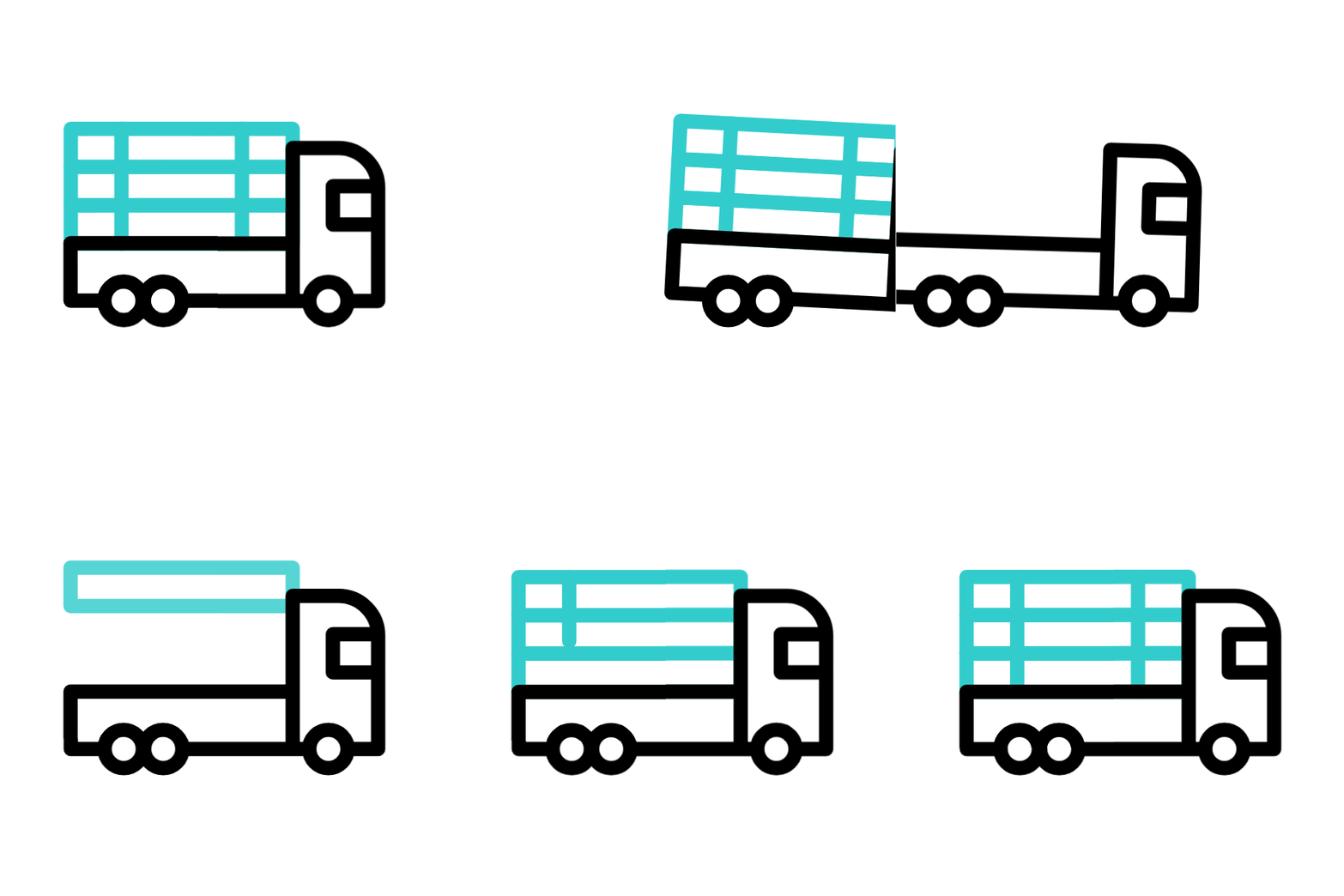

When it comes to sheds, the door is more than just an entryway. For those storing oversized equipment, be it riding mowers, ATVs, or large tool collections, the right door can make all the difference in accessibility, security, and convenience. In this guide, I’ll walk you through the primary types of storage shed doors suitable for oversized equipment, comparing their features, benefits, and drawbacks. Whether you’re new to sheds or a seasoned hand looking to upgrade, understanding these options will help you make an informed decision that fits your needs.
Double Hinged Doors: Classic Accessibility
Double hinged doors are a staple in many sheds, especially when wide access is needed. These doors consist of two panels that swing outward from the center, providing a broad opening. Their straightforward design makes them a popular choice for those needing to move large items in and out of their sheds with ease.
How Double Hinged Doors Relate to Sheds
Double hinged doors are commonly found on garden and utility sheds due to their versatility. They allow for easy entry and exit of oversized equipment without complicated mechanisms or tracks.
Space Requirements and Installation
-
Pros:
- Simple installation process for most shed structures
- No need for overhead clearance inside the shed
- Can be customized to fit various shed sizes
-
Cons:
- Requires significant clear space in front of the shed for doors to swing open fully
- May be difficult to operate in areas with heavy snow or debris buildup
Security and Durability Considerations
-
Pros:
- Can be reinforced with heavy-duty locks and hardware
- Solid construction resists warping if maintained properly
-
Cons:
- Hinges can be a target for tampering if not protected
- Poor weather sealing compared to other door types if not installed precisely
Sliding Doors: Efficient Use of Space
Sliding doors operate by gliding along a track parallel to the shed wall. This design is especially useful when space in front of the shed is limited or when frequent access is required without obstruction.
The Role of Sliding Doors in Sheds
Sheds equipped with sliding doors are ideal for properties where every inch counts. These doors maximize usable space both inside and outside the shed, making them a practical choice for tight quarters.
Space Efficiency and Accessibility
-
Pros:
- No need for clearance in front of the shed, doors slide parallel to walls
- Smooth operation even in confined spaces or near fences/landscaping
- Easier access during winter as snow buildup does not block door movement as easily as hinged doors
-
Cons:
- Takes up wall space inside the shed that could otherwise be used for storage or shelving
- Track systems require regular cleaning and maintenance to prevent jamming or sticking
Security and Maintenance Factors
-
Pros:
- Difficult for wind to blow open unintentionally due to track system design
- Shed structure remains more weather-tight with proper installation and seals
-
Cons:
- If tracks become clogged or damaged, operation can be hindered significantly
- Locking mechanisms may be less robust than those available for hinged doors unless upgraded specifically for security purposes
Roll-Up Doors: Industrial Strength Access
Roll-up doors are commonly seen on commercial storage units but are increasingly popular in residential sheds designed for oversized equipment. These doors consist of horizontal slats that roll up into a coil above the doorway, providing maximum clearance without occupying wall or floor space.
The Place of Roll-Up Doors in Sheds
Sheds with roll-up doors offer unmatched convenience when storing large vehicles or machinery. Their design allows full use of both interior and exterior space without obstruction.
Clearance and Usability Advantages/Disadvantages
-
Pros:
- No swing-out or slide-in requirements; door rolls directly upward into a compact coil above the opening.
- Allows full use of shed width for moving equipment in and out without restriction from door panels or tracks along walls/floors.
- Ideal for frequent access by large vehicles such as tractors or ATVs due to wide opening capability.
-
Cons:
- Takes up some overhead space inside the shed, which may limit ceiling-mounted storage options.
- Tends to be more expensive than other door types due to specialized materials and mechanisms.
Security, Weather Resistance, and Maintenance Needs
-
Pros:
- Tightly sealed edges provide excellent protection against wind, rain, and pests.
- Tough construction deters break-ins when paired with quality locking systems.
-
Cons:
- If mechanism fails, repairs can be more complex than with simpler door types.
- Lubrication and periodic inspection required to prevent rusting or jamming over time.
Bifold Doors: Flexible Wide Openings
Bifold doors consist of two panels per side that fold against each other as they open. This design allows wide access while minimizing the swing radius needed compared to traditional double hinged doors.
Bifold Doors’ Application in Sheds
Bifold doors are particularly useful on sheds where both wide access and limited exterior clearance are necessary. Their folding action provides flexibility without sacrificing entry width.
Swing Radius vs. Opening Width
-
Pros:
- Larger opening than single-panel hinged doors while requiring less exterior space than double hinged options.
- Easier maneuvering of oversized equipment due to broad entryway.
-
Cons:
- Slightly more complex installation process compared to basic hinged doors.
- Poorly aligned panels can lead to operational issues over time.
Durability and Security Considerations
-
Pros:
- Pivots can be reinforced for added strength against forced entry.
- Bifold design can accommodate various locking mechanisms for improved security.
-
Cons:
- Addition of multiple hinges increases maintenance points compared to single-panel designs.
- If not properly maintained, folding mechanism may become stiff or misaligned.
Main Points of Contention: Choosing What’s Right For Your Shed
Shed Size and Door Opening Requirements
The size of your shed directly impacts which door type will serve you best. For larger sheds housing tractors or multiple pieces of equipment, roll-up or bifold doors often provide superior access. Smaller sheds may benefit from sliding or double hinged doors where space is at a premium.
Your Property’s Layout and Space Constraints
If your shed is close to fences, trees, or other structures, sliding or bifold doors minimize exterior clearance needs. Double hinged doors require ample room out front, while roll-up doors demand overhead space inside.
Your Security Priorities
If theft prevention is paramount, consider roll-up or reinforced double hinged/bifold doors with robust locking systems. Sliding door tracks should be kept clean and fitted with secure locks.
Practical Advice: Tips & Common Pitfalls When Selecting Shed Doors
- Select hardware rated for outdoor use; exposure can quickly degrade standard hinges or tracks.
- Avoid underestimating the importance of weather sealing; poor seals lead to water damage inside your shed.
- If you plan frequent moves of heavy equipment, prioritize smooth operation over aesthetics alone.
- Avoid installing complex door systems unless you’re comfortable with ongoing maintenance requirements.
The Bottom Line: Matching Door Type With Shed Purpose
The right storage shed door transforms your experience. It makes it easier (or harder) to store oversized equipment safely and efficiently. Double hinged doors offer classic simplicity but need room; sliding doors save space but require clean tracks; roll-up doors provide industrial-grade access at a higher cost; bifold doors balance wide openings with minimal swing radius but add complexity. Assess your property layout, security needs, budget, and how often you’ll move large items before making your choice. With careful consideration, your shed will serve you reliably for years regardless of what you store inside.
Content generated with the assistance of AI tools. Reviewed and finalized by our staff.